2026 Honda Civic Review: The Hybrid Era Arrives in Force
| Pros | Cons |
|---|---|
|
|
Verdict If you want a hybrid that actually feels “sporty” and premium inside, the Civic is the king. However, if you live in an area with heavy unplowed snow and absolutely need AWD, you might find better value in a Toyota. | |
The 2026 Honda Civic continues its reign as the gold standard of the compact car segment. This year, the big story is the full integration of the hybrid powertrain, effectively replacing the old 1.5L turbo and bringing a blend of performance and efficiency that’s hard to beat.
Powertrains, Performance and Driving feel
For 2026, Honda has streamlined the lineup. The base trims (LX and Sport) retain the reliable 2.0-liter 4-cylinder, while the higher trims move exclusively to the two-motor hybrid system, doing away the 1.5L turbo which has been recently starting to make news.
- Standard Engine: 2.0L 4-Cylinder putting 150hp @ 6400 RPM and 133 lb-ft of torque.
- Hybrid Powertrain: 2.0L 4-Cylinder + Dual Electric Motors putting out combined 200hp and a punchy 232 lb-ft of torque.
- Efficiency: The Hybrid model targets an impressive 4.7/5.1/4.9 L/100KM City/Highway/Combined fuel economy, making it a leader in its class.
The regular 2.0L engine uses a regular CVT and the hybrid uses an eCVT transmission. While they both may sound the same, the eCVT is much nicer to drive with and it functions more like a direct drive system. The simulated shifts also feel much more real than the regular CVT.
In our testing, the Hybrid powertrain took 6.5 seconds for 0-100km/h and the instant torque is punchy enough to push your head back into the seats. Keep in mind this test was done with winter tires on, we expect it to perform slightly better in summer conditions with a different set of tires.
Design Refresh
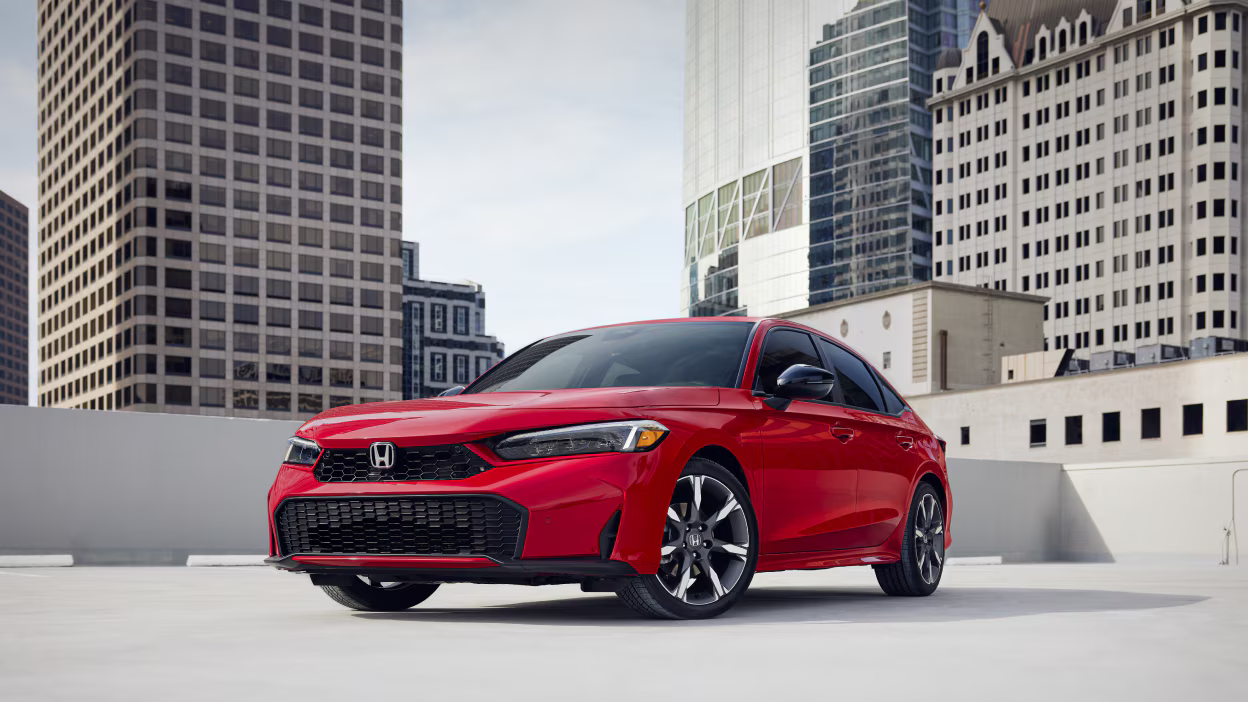
While it maintains the “mature” look of the 11th generation, the 2026 model receives a sharper front fascia.
- Aggressive Grille: A restyled, more hexagonal mesh pattern.
- Darkened Trim: New darkened taillights on hybrid models for a sportier aesthetic.
- Standard LEDs: LED headlights and taillights are now standard across the entire lineup.
Interior & Technology
The interior remains a highlight, featuring the iconic honeycomb mesh dashboard and tactile physical controls. The interior is roomy and comfortable (which is to be expected as it’s almost as big as the previous generations of Accord). Both hybrid and non-hybrids provide 419 Litres of trunk storage, however the hybrid loses the spare to make space for the battery.
On the dash it has option for either a 7-inch which supports wired Android Auto and Apple carplay or a 9-inch Touchscreen which adds wireless support for your favorite flavor of integration.
The addition of Google Built-in on the Touring trim is a game-changer, allowing for native Google Maps and Voice Assistant without needing your phone plugged in, saving your phone’s precious battery.
There is still no camera on the side mirrors which we loved on the previous generations for lane-switch but there is standard Blind-spot monitoring. The backup cameras has a wide view however quality lags a lot against it competitors and it is in need of a serious upgrade.
Pricing (before taxes) and which trim to buy
Below are the prices of each trim (as of the day of writing the review on Honda’s website):
- LX (Gas) - $31,316
- Sport (Gas) - $35,176
- Sport Hybrid - $37,071
- Sport Touring Hybrid - $40,571
Amongst these we would recommend LX to the budget shoppers as it provides all the safety features and if you are driving mostly on highway then you won’t see enough savings to justify the price difference.
For those looking for a more dynamic/fun drive and if your commute is mostly city traffic, then we would recommend the Sport Hybrid over the Touring. While the Bose audio system, built-in Google is nice, one can be achieved by connecting your phone and if you’re really an audiophile then you can get much better third-party sounds systems.